
How to Care for Your Espadrilles: The Atelier COSTÀ Guide
An espadrille should never go in the washing machine: its jute sole cannot take water. It is a summer shoe, made for the sun and not for the rain. To keep it for a long time, simply keep it dry, brush the canvas and choose a model with a genuine leather insole.
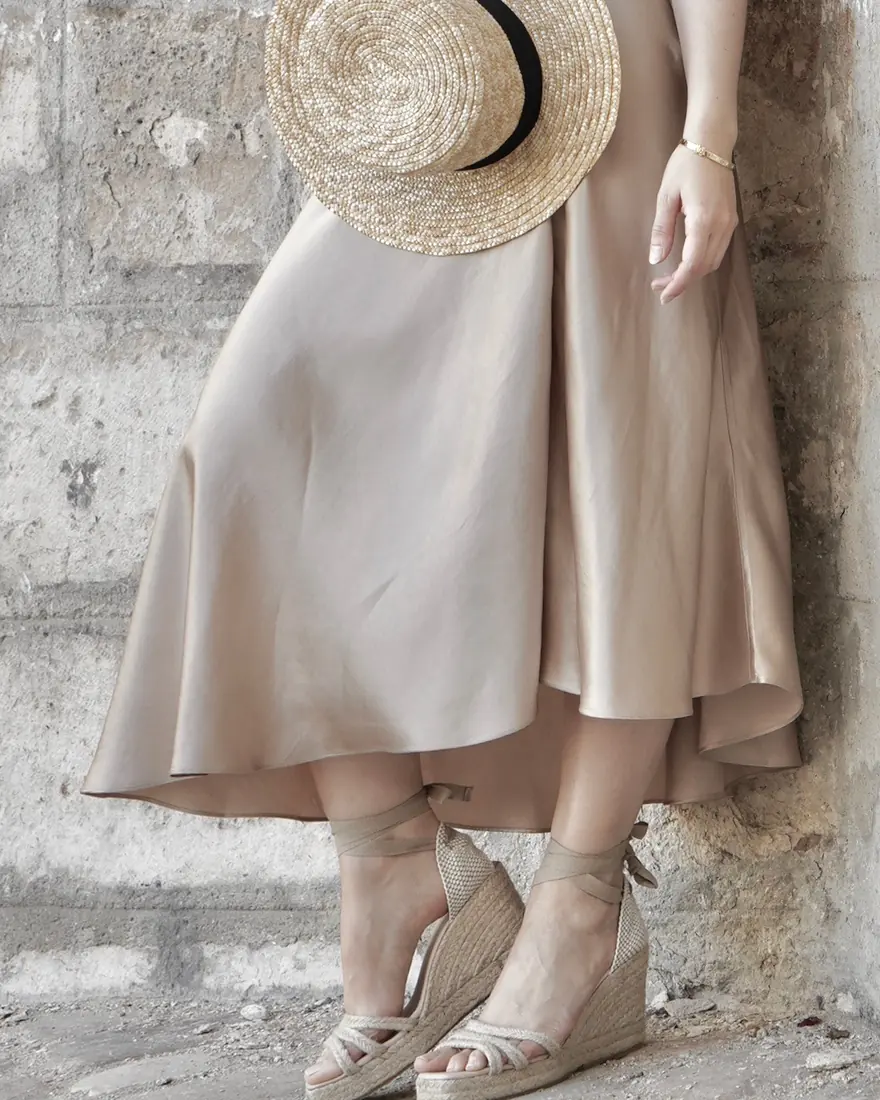
In this guide, we answer the questions we are asked most often: why jute fears water, what to do if your espadrilles get wet, why they sometimes smell, and how to clean and store them.
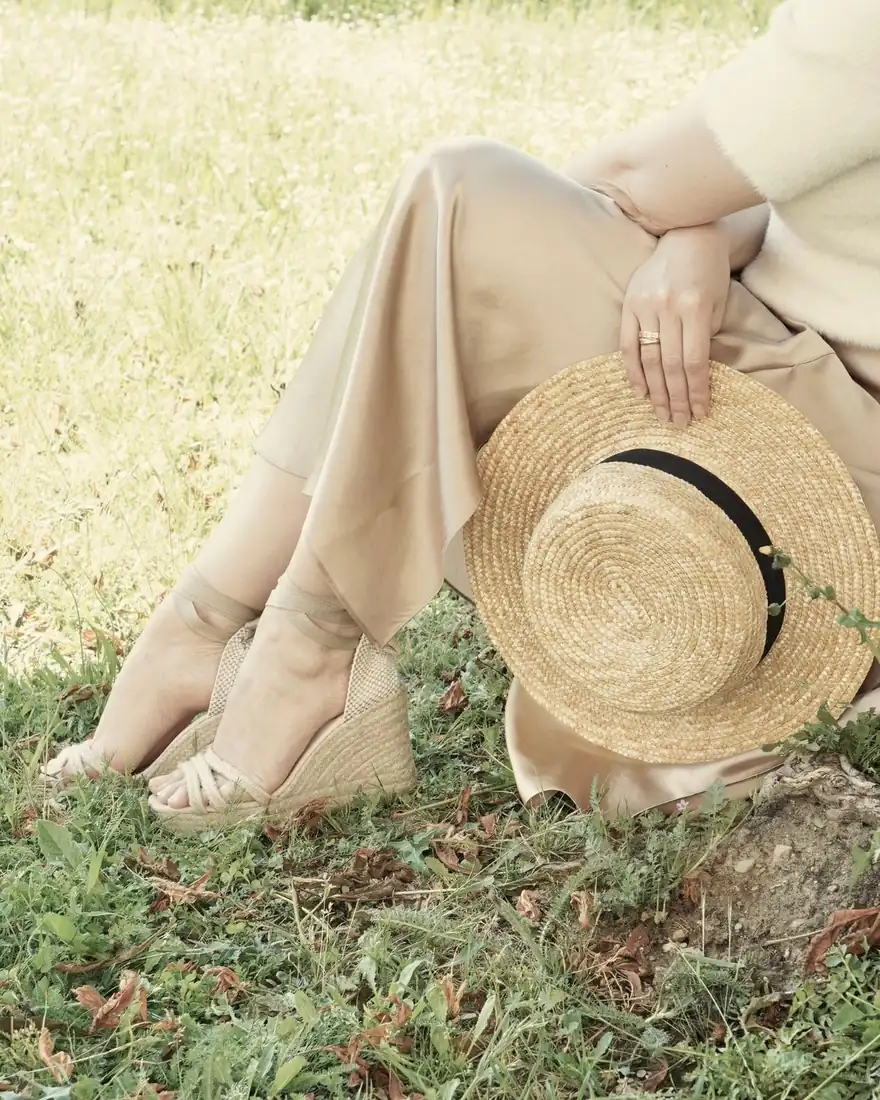
Why is the espadrille a summer shoe?
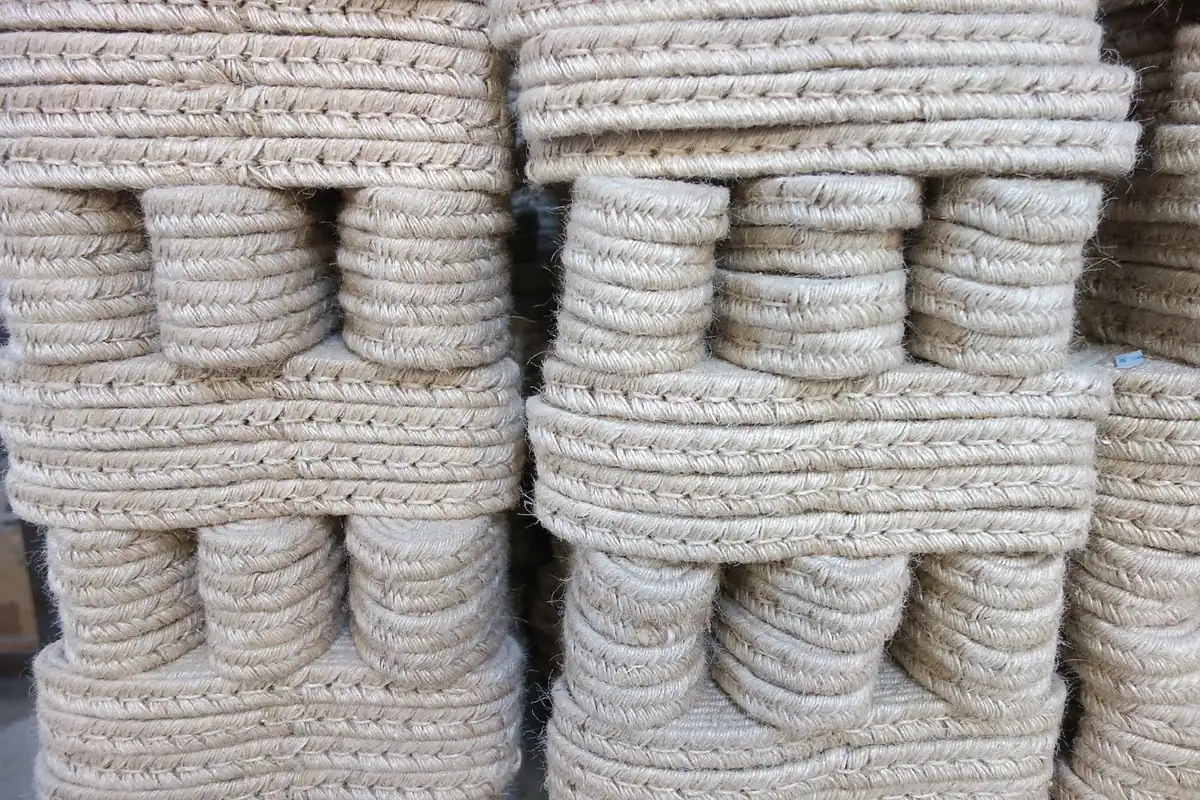
Because its braided jute sole does not like water. Jute is a natural fibre: light, supple and breathable, ideal in hot, dry weather. But on contact with water, it swells, loses its shape and eventually comes apart.
A little dampness outdoors is nothing to worry about. Walking through a puddle, however, will damage the sole. That is why espadrilles are worn from spring to the end of summer, not in the rain or in winter.
At Atelier COSTÀ, we make our espadrilles by hand in Spain, with this traditional jute sole. Well cared for, they last many seasons.
Can you machine-wash espadrilles?
No, never. Neither in the washing machine nor soaked in a basin. A jute sole is not plastic: it absorbs water, swells and loses its shape, and the glue can deteriorate too.
To keep them clean without getting them wet:
- Brush off the dust with a soft-bristle brush.
- Wipe the canvas with a barely damp cloth, avoiding the sole.
- On a greasy stain, sprinkle a little talcum powder, leave it overnight, then brush it off.
- Let them dry flat, in the shade.
What should I do if my espadrilles get wet?
If they are only slightly damp, let them dry: it is nothing serious. If the sole has taken in water, act quickly to limit the damage, even though they cannot always be completely saved.
- Blot the excess water with a dry cloth, without rubbing.
- Stuff the inside with plain white paper, free of ink, to keep the shape.
- Let them dry flat, in the open air and in the shade, away from a radiator or any direct heat source.
- Be patient: jute can take several days to dry completely. Only wear them again once they are fully dry.
- To absorb moisture and prevent odours, sprinkle a little baking soda on the sole for a few hours, then remove it with a soft brush.
If the sole comes unstuck after drying, it can be glued back with a special shoe glue.
Why do my espadrilles smell?
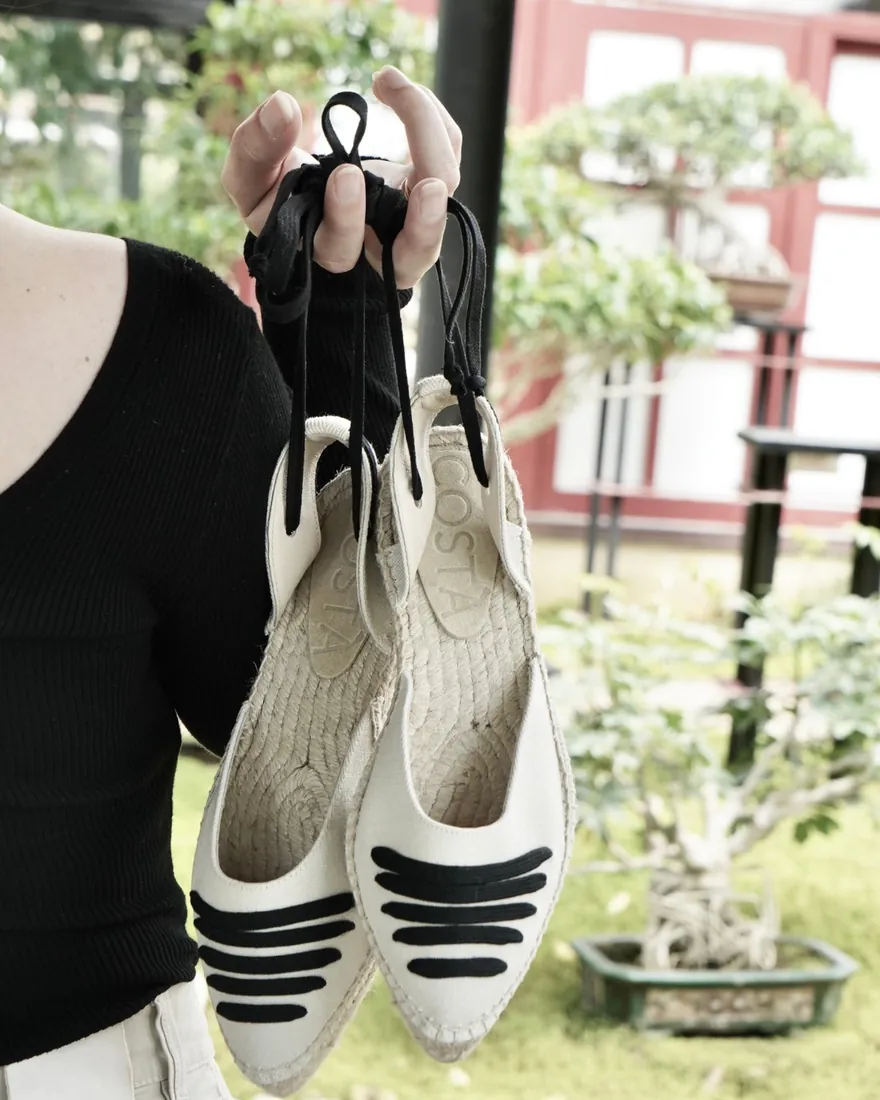
In most cases, the smell does not come from the jute sole but from the insole and the lining. A canvas insole or a plastic lining holds the moisture from your foot and smells, as in any other shoe. What is true of a shoe is true of an espadrille.
Our advice: the essential thing is a genuine leather insole. Some models are lined: in that case, we recommend a leather lining rather than a synthetic one, the mark of a quality shoe. A leather lining does not smell; a synthetic lining, whether it is imitation leather or fabric (often synthetic too), always ends up smelling, as in sports trainers. Not every model is lined, but when it is, a leather lining makes all the difference.
For our part, we like to keep the jute natural on our summer models: its contact with the skin is perfect for that season.
To limit odours:
- Air your espadrilles for a few hours after each wear, before putting them away.
- Never store them damp.
- Avoid wearing them on rainy days or on wet ground.
- In addition, a little baking soda on the sole absorbs moisture.
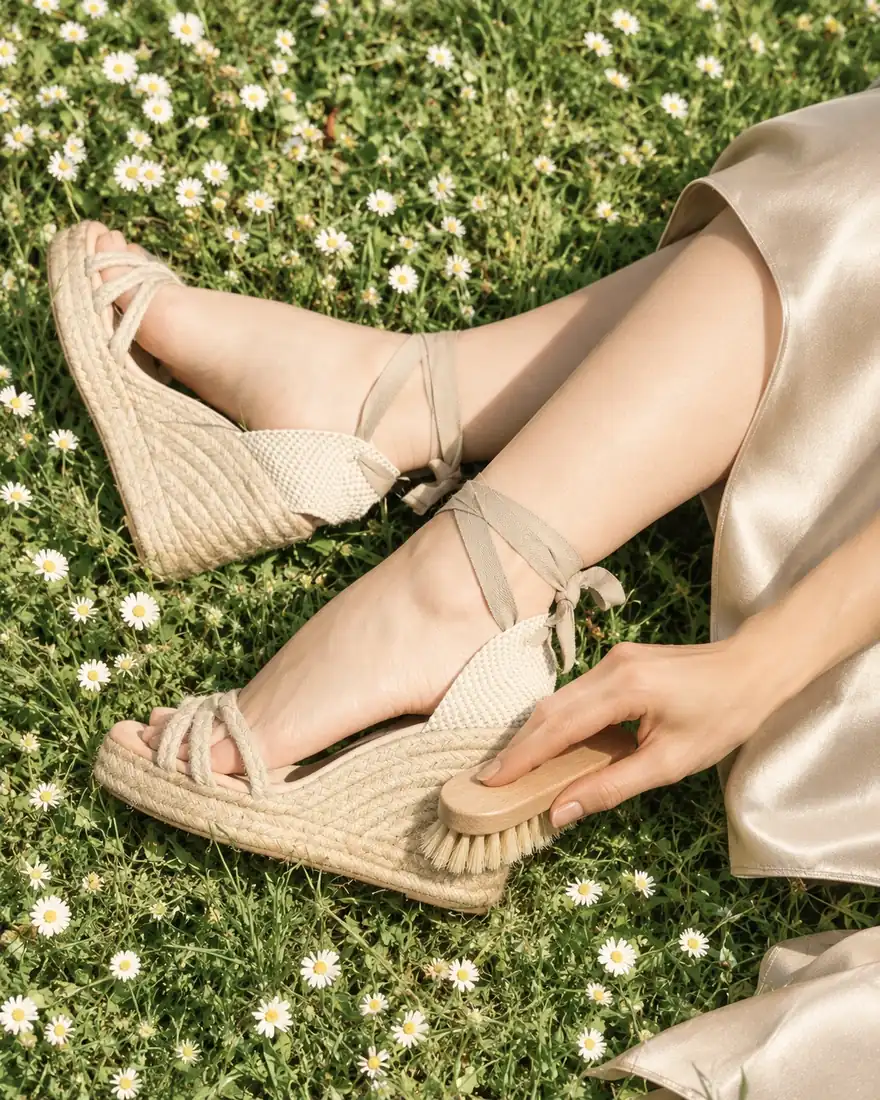
How do I clean my espadrilles day to day?
Light, regular care is enough, without ever plunging the espadrille into water.
- Brush off the dust after each wear, with a soft-bristle brush.
- Clean the canvas with a slightly damp cloth or sponge, rubbing gently, inside included.
- Remove excess moisture with a chamois leather or a dry cloth: water can change the colour of the canvas.
- For the jute sole, brush dry and use an eraser on stains, then brush off the residue.
- Let them dry flat and in the shade, because direct sunlight can alter the colour.
Keep your espadrilles away from grease, perfumes and cosmetic products, which can leave lasting marks on the canvas.
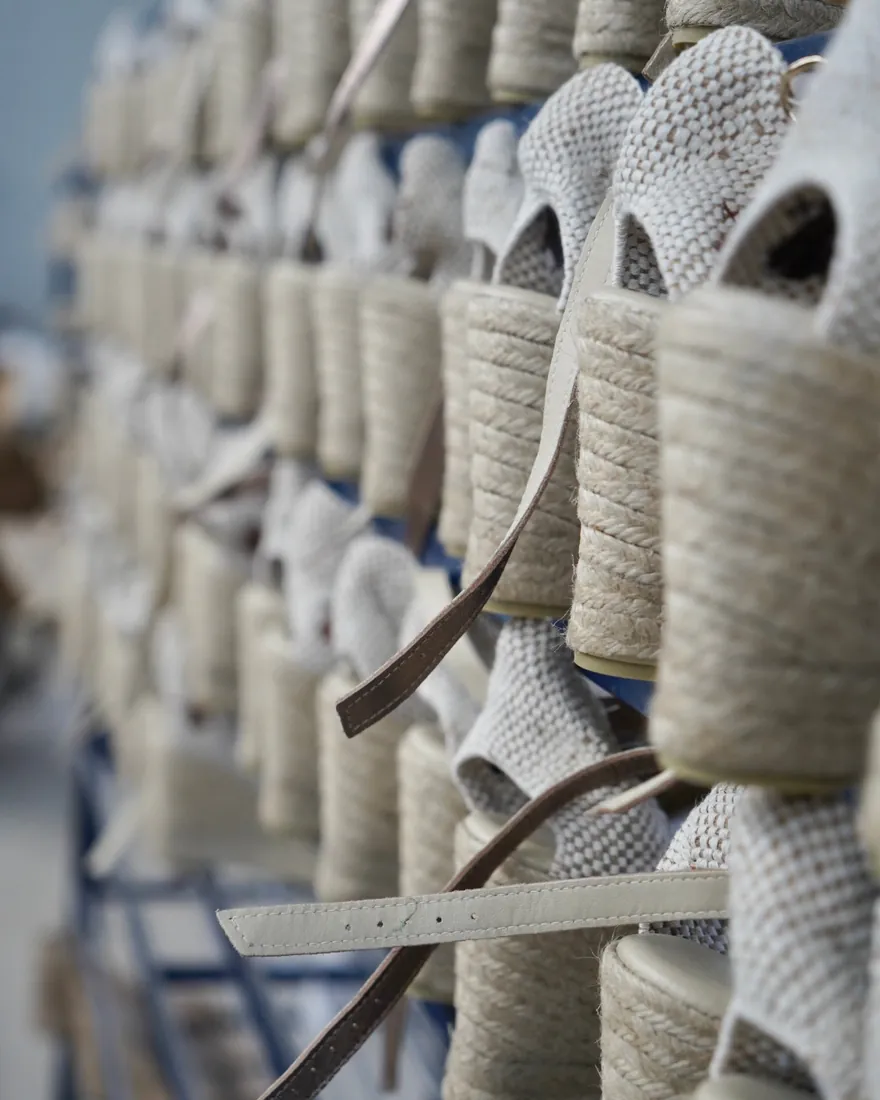
How do I store espadrilles at the end of the season?
Clean them, let them dry completely and store them in a cool, dry, airy place. A shoe can feel dry to the touch and still hold moisture between the insole and the outsole: it is better to air them for several hours before putting them away.
- Store them in their box or in a fabric cover, never in a closed plastic bag.
- Keep their shape with plain white paper, free of ink.
- Keep them away from radiators and direct sunlight.
- Before the next season, brush them and check the sole and the stitching.
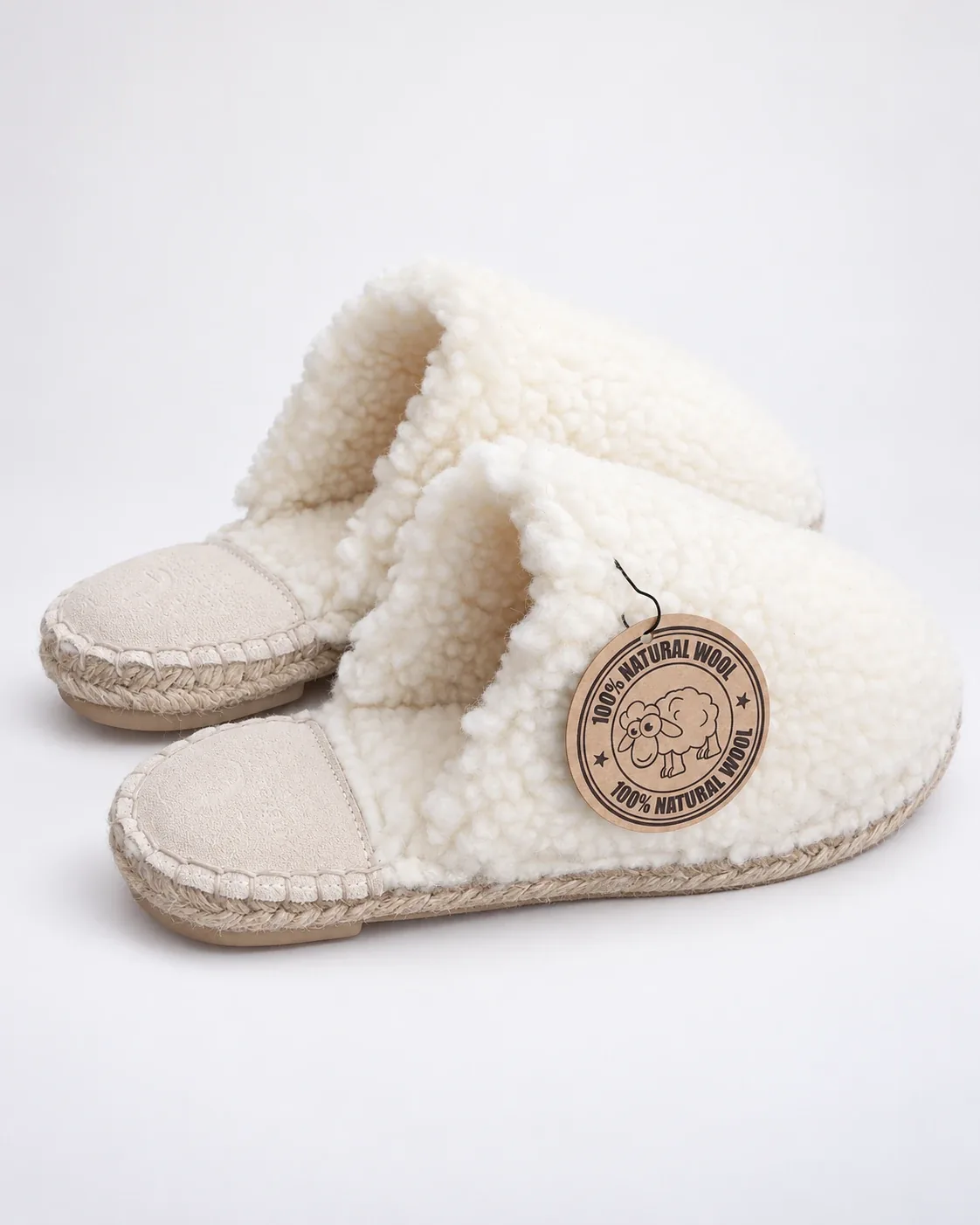
How do I care for wool slippers?
Wool slippers are brushed, not washed. A simple stroke of a soft brush is enough to remove the dust and revive the material.
The advantage of natural wool is that it breathes: it does not hold odours. Synthetic wool slippers, on the other hand, often end up smelling. It is a real asset of our Dolly wool slippers.
All our winter slippers are lined inside with real wool: it keeps you warm, prevents sweating and does not hold odours.
Frequently asked questions
Can you machine-wash espadrilles?
No. A jute sole was not designed to withstand water: it swells and loses its shape. Brush the canvas and use a barely damp cloth.
Can you wear espadrilles in the rain?
It is not recommended. The espadrille is a summer shoe. A few drops are not dangerous, but a puddle will damage it.
What should I do if my espadrilles get wet?
Blot them, stuff them with plain white paper and let them dry flat, in the shade, for several days if necessary.
Why do my espadrilles smell?
Most often because of the insole or the lining. Choose a genuine leather insole and, if the model is lined, a leather lining.
How do I clean the jute sole?
Dry: soft brush, then an eraser on stains and brushing off the residue.
How do I care for wool slippers?
They are brushed. Wool breathes and does not hold odours.