The Craft
One Espadrille, Many Crafts
An espadrille looks simple. A jute sole, a little fabric or leather, a seam around the foot. Yet behind that apparent simplicity, the making of an artisanal espadrille brings together several crafts, often practised in different workshops. Each specialist masters a particular stage, and it is their combined work that brings the shoe to life.
The jute sole
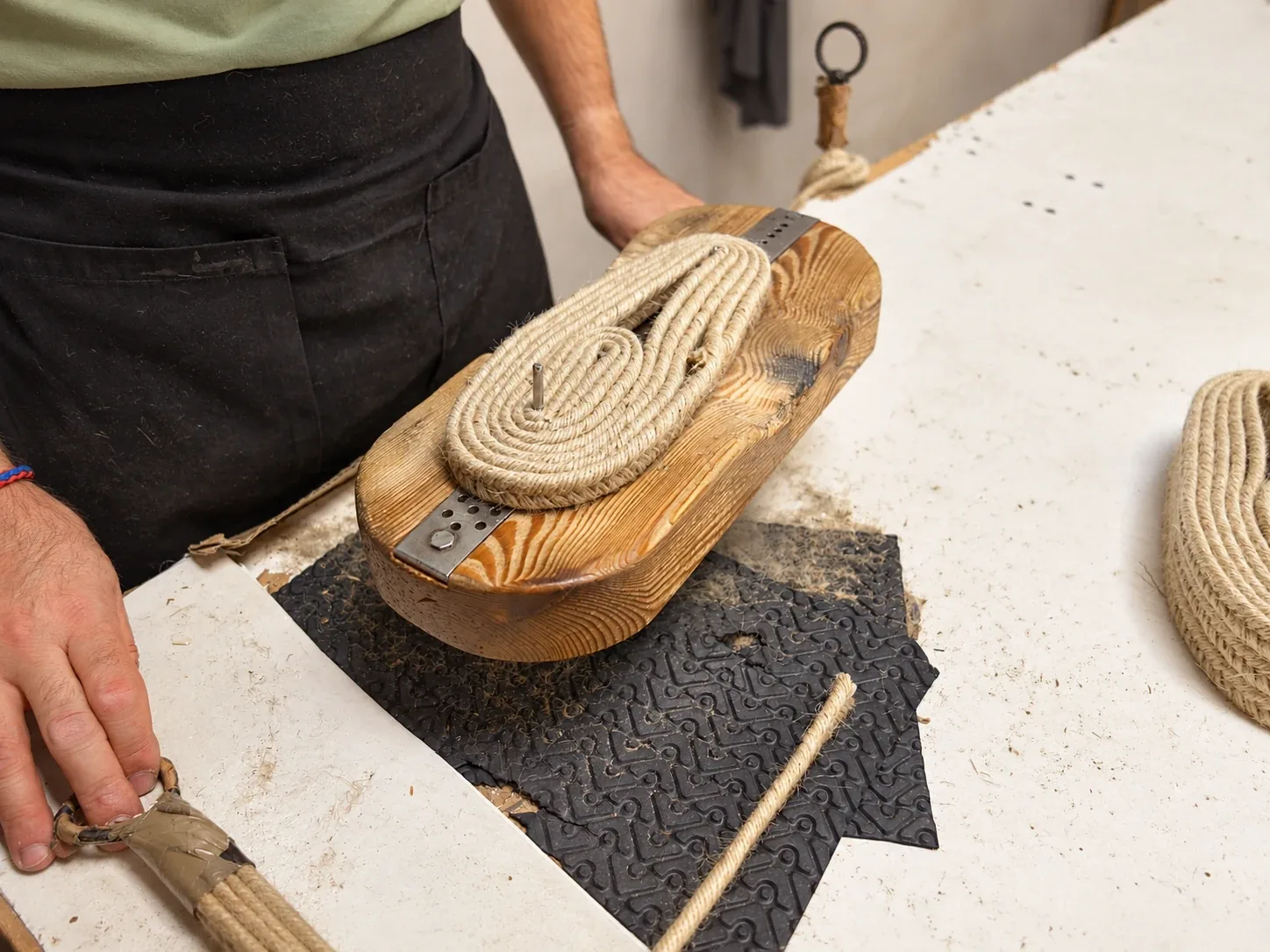
It all begins here. Jute is a plant fibre that must be prepared, spun and then braided. The braid is arranged and secured to form the sole, according to the design. This is a craft in its own right, involving both machinery and skilled hands. We work with specialist workshops in Spain that make the soles used in our collections.
A silhouette, a choice of materials
Flat espadrille, wedge, loafer, Mary Jane or mule: each shape calls for its own construction. When a new design needs developing, we work with an independent pattern maker and footwear modeller, who translates an idea into the technical elements needed to make it.
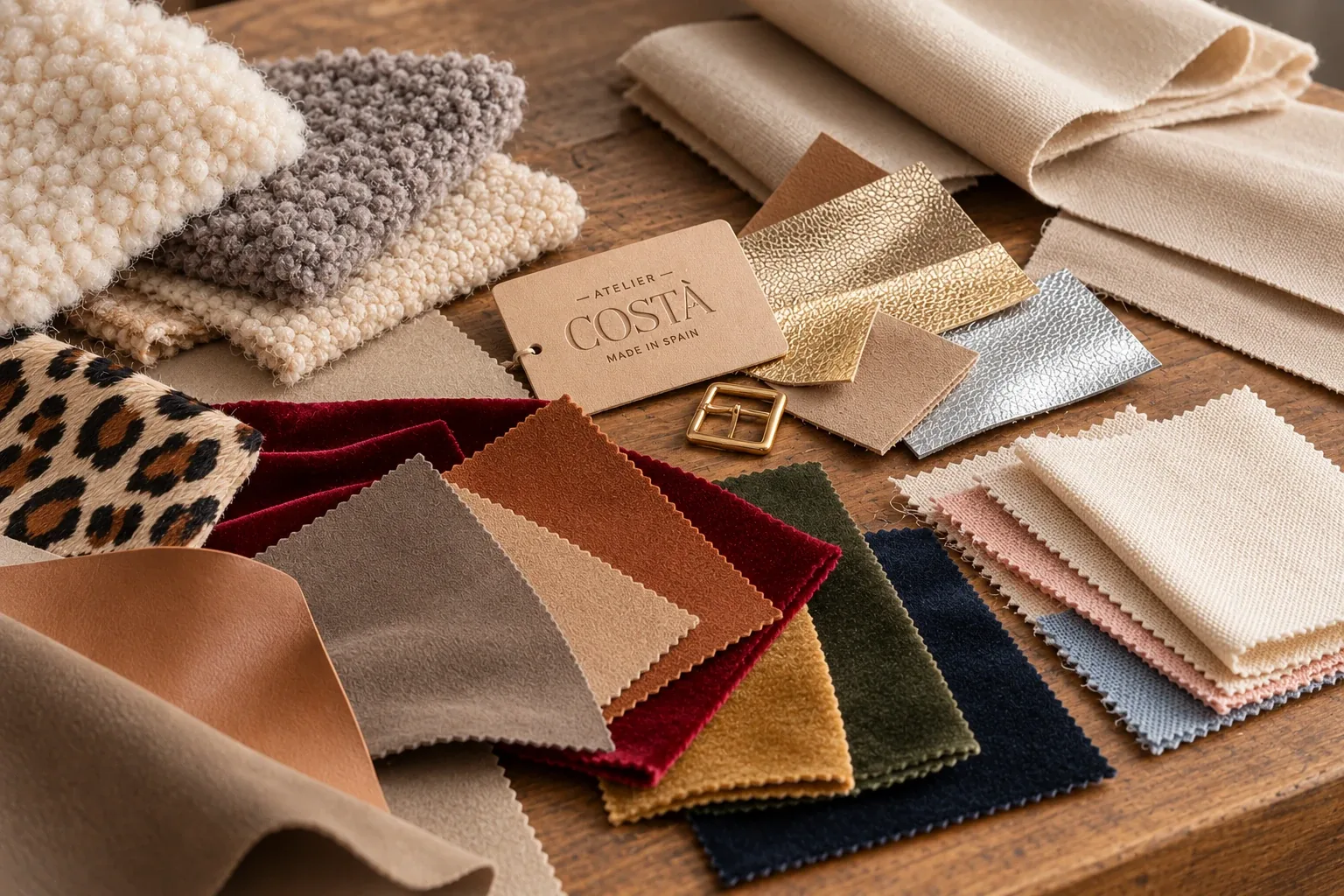
Then comes the choice of materials: soft leather, suede, canvas, velvet or wool. It is more than an aesthetic decision. Materials of different thicknesses and degrees of flexibility behave differently during assembly. Choosing a material is already part of deciding how a shoe will be made.
Cutting and stitching
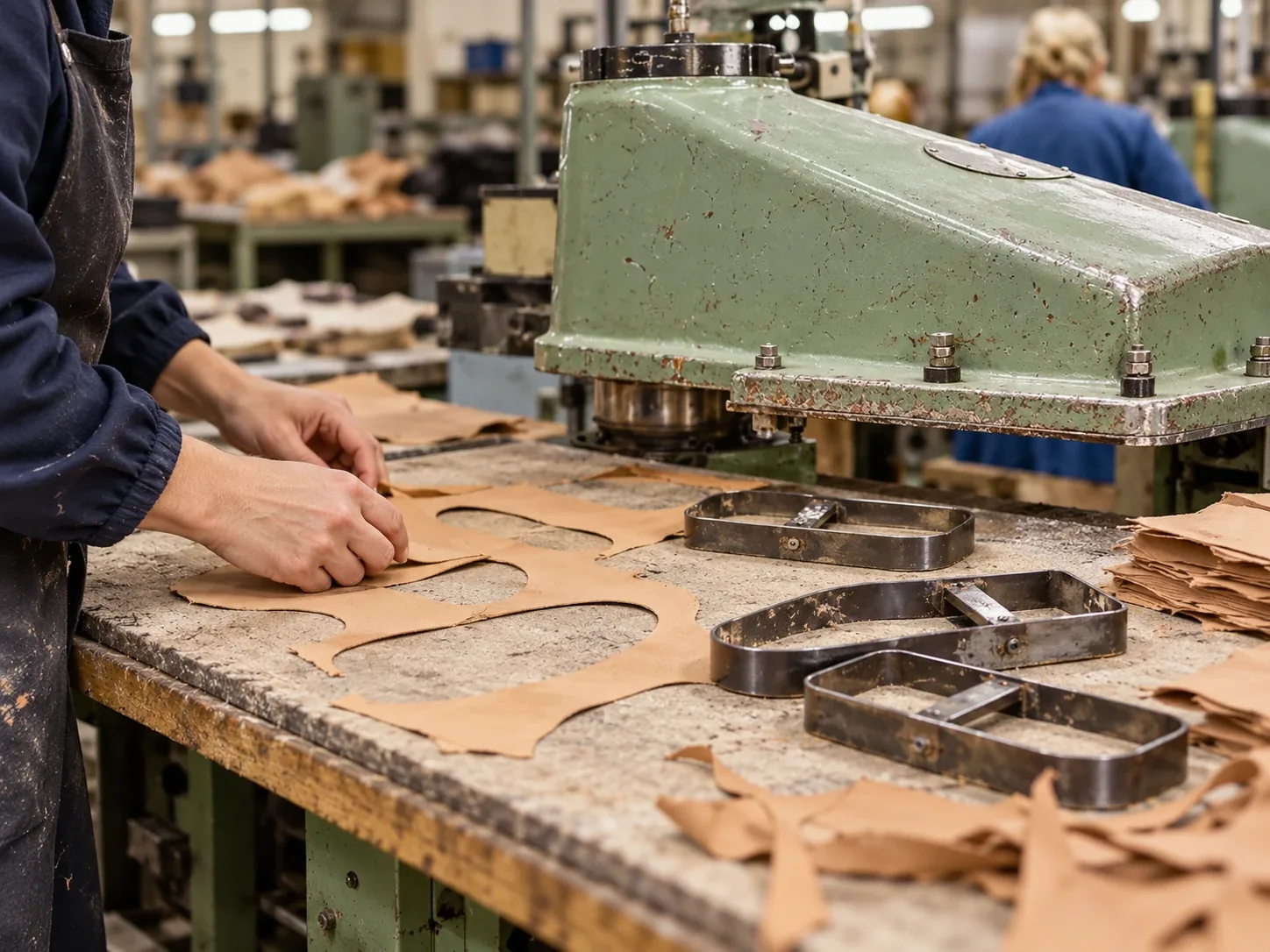
The pieces that form the upper are cut, prepared and machine-stitched in small specialist workshops. They prepare the shapes, linings and finishes before one of the espadrille’s most recognisable stages.
The hand-sewn construction
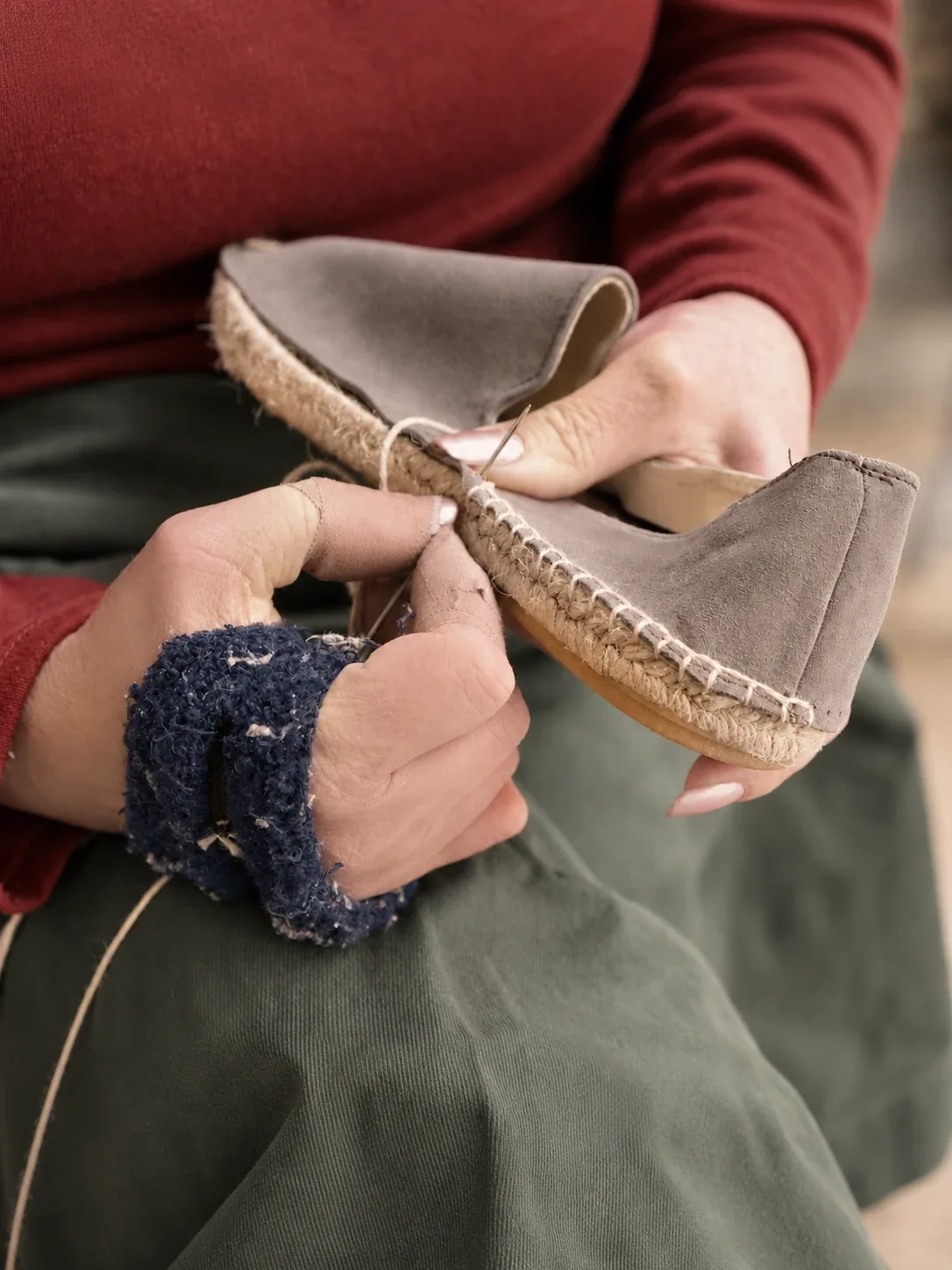
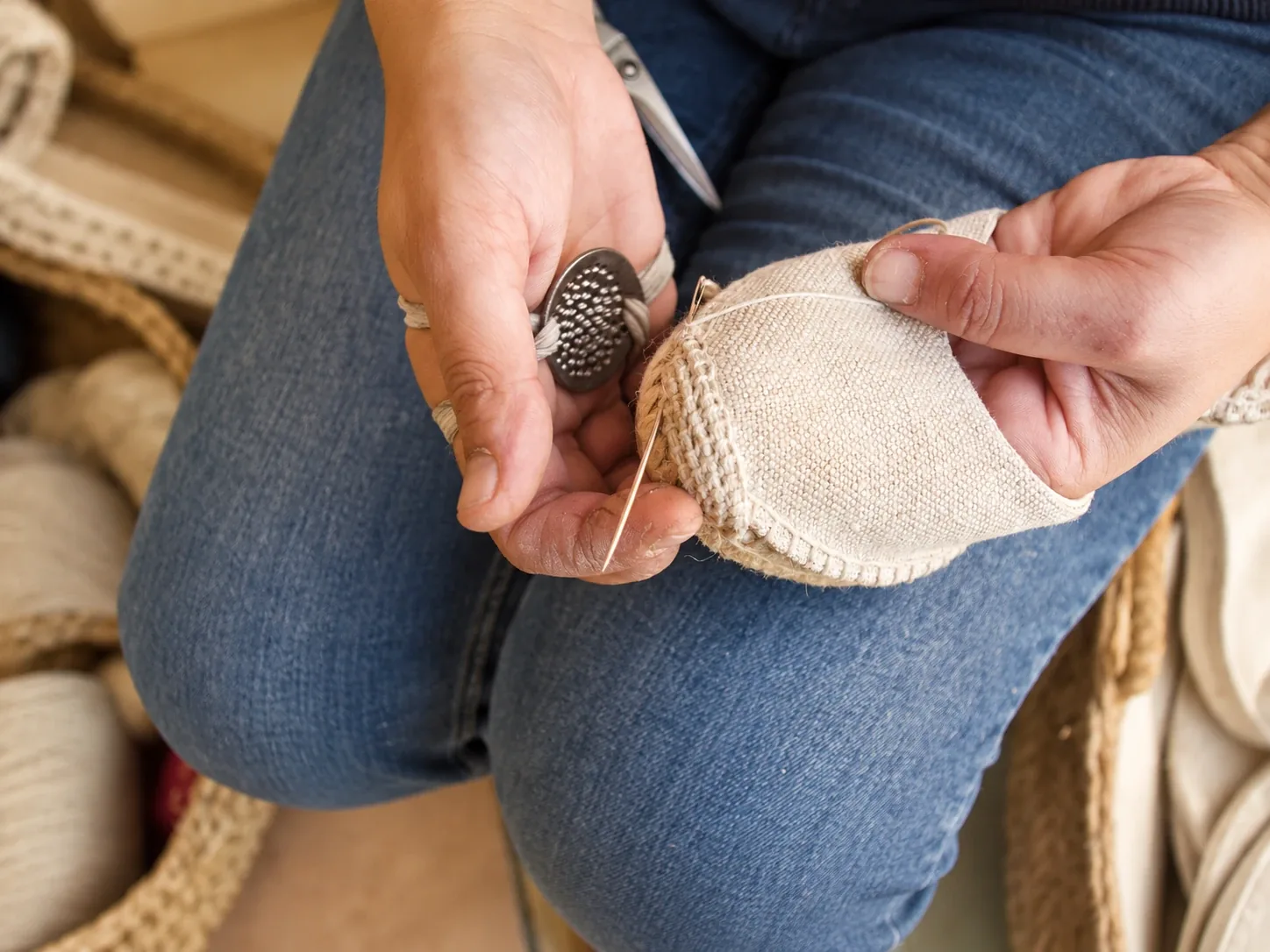
The upper is joined to the jute sole by hand, using the traditional espadrille sewing technique. At Atelier COSTÀ, much of this work is entrusted to women artisans who work from their homes. It is a quiet craft, shaped by repeated gestures, care and experience.
The stitching must be adapted to each design, its shape, materials and finishes. It contributes to the construction of the shoe while remaining visible: part of the shoe’s identity.
The finishing touches
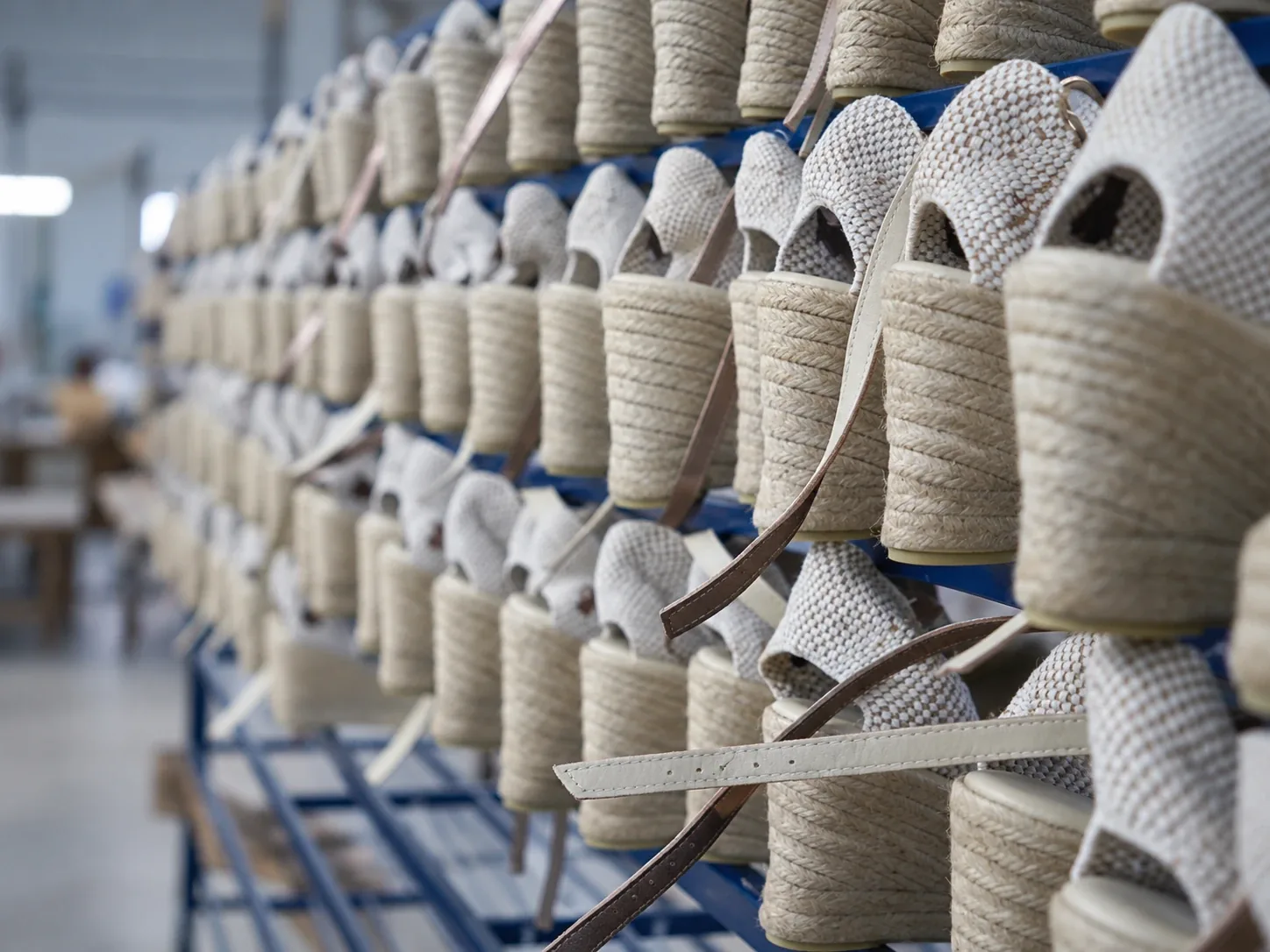
Once sewn, the pairs move to another specialist workshop. There, they are given their final shape, prepared for presentation and packed for dispatch. These last stages matter just as much as the first: the finishing of a shoe deserves the same care as its assembly.
Bringing the crafts together
For more than ten years, Atelier COSTÀ has developed its own collections of premium jute-soled footwear with a network of small artisan workshops in Spain. Over the years, we have come to understand each workshop’s specialisms, techniques and the designs best suited to its expertise.
We know which workshop to turn to for a hand-sewn flat espadrille, which specialist to approach for a constructed wedge, and how to coordinate the different stages.
Today, that experience shapes our new focus: helping fashion brands and boutiques create their own footwear collections. From the first idea and the selection of styles to the choice of materials and coordination of workshops, we bring our knowledge of the crafts to each project.